D The Role of UX Research in Digital Development
Por Redacción Aguayo
User Experience (UX) Research stands as a fundamental pillar in digital development, acting as the process that allows us to thoroughly comprehend the needs, behaviors, and expectations of users. At its core, UX research seeks to unravel the mysteries surrounding human interaction with digital products and services, providing valuable insights for design and continuous improvement.

Introduction to UX Research: Demystifying Concepts
By demystifying the concepts of UX research, we embark on a journey that goes beyond mere methods and metrics. It's a profound exploration intended to illuminate the most intricate aspects of user experience. From clearly defining objectives to strategically selecting methods, empathizing with the user, and applying technological tools, each element intertwines to reveal a narrative in which the user is the protagonist.
A solid understanding of these concepts not only empowers design and development professionals but also lays the groundwork for the creation of exceptional digital experiences. In this introduction, we will delve into the fundamentals of UX research, demystifying terms so that everyone can embark on this journey with confidence and understanding.
Selecting UX Research Methods
In this exploration of UX research methods, we uncover the essential tools that provide profound insights into user behavior, guiding the creation of digital experiences that truly resonate.
User Interviews: Unveiling User Stories Through Conversations
- Engaging users in one-on-one conversations reveals the rich tapestry of their experiences, motivations, and challenges.
- Dive deep into users' worlds, unlocking narratives that shape meaningful design decisions.
Surveys and Questionnaires: Quantifiable Insights at Scale
- Harness the power of surveys to collect a wealth of quantitative data, offering a panoramic view of user sentiments.
- Transform data into actionable insights, guiding design decisions with a quantitative edge
Usability Testing: Real-Time Insights into User Interactions
- Witnessing users interact with prototypes exposes usability nuances that drive design refinement.
- Early and iterative testing ensures that user-centric enhancements are woven seamlessly into the user journey.
Card Sorting: Crafting Intuitive Information Structures
- Collaboratively organize information with users to shape an intuitive content structure.
- Align digital landscapes with users' mental models, creating a seamless and familiar navigation experience.
Heatmaps and Analytics: Visualizing User Engagement
- Decode user interactions visually through heatmaps and analytics, providing a dynamic map of user engagement.
- Identify hotspots and cold zones, paving the way for strategic optimizations that resonate with user preferences.
Persona Creation: Infusing Empathy into Design
- Transform research findings into relatable personas, injecting empathy into the design process.
- Craft narratives that humanize user data, fostering a design approach rooted in understanding and connection.
A/B Testing: Unveiling Design Preferences Through Comparison
- Pit design variations against each other, allowing users to cast their vote on the most effective elements.
- Let user preferences guide design evolution, creating a digital landscape that resonates with your audience.
Remote Testing: Diverse Perspectives, Anytime, Anywhere
- Break geographical barriers by embracing remote usability testing, tapping into a diverse pool of perspectives.
- Foster inclusivity in user feedback, ensuring a comprehensive understanding of digital experiences across diverse user demographics.
By integrating these UX research methods seamlessly into your development process, you embark on a journey of profound understanding, crafting digital experiences that not only meet but exceed user expectations.
The Impact of Research on Decision-Making: Data vs. Intuition
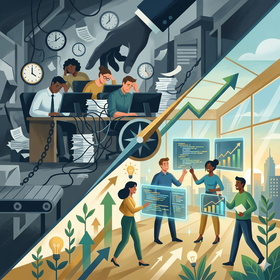
In the ever-evolving landscape of digital development, the choices made along the way serve as pivotal markers determining the success or failure of a project. This journey often leads us to a crossroads where two influential forces—data-driven insights and intuitive decision-making—converge. As we navigate this juncture, it's crucial to understand how the interplay between rigorous UX research and the gut instincts of decision-makers profoundly shapes the outcome of digital endeavors.
Data-Driven Insights:
In the realm of UX research, data stands as a beacon of objectivity. Quantifiable metrics derived from user interviews, surveys, and usability testing provide a concrete foundation for decision-making. According to Nielsen Norman Group, a leading authority in UX research, data-driven decision-making significantly reduces the risks associated with design choices. It offers a measurable understanding of user behaviors, preferences, and pain points, empowering decision-makers to align their strategies with user needs.
The Intuitive Leap:
Contrastingly, intuition often emerges from a deep understanding of users, accumulated experience, and an innate sense of what feels right. Malcom Gladwell's "Blink" emphasizes the power of rapid, instinctive decision-making, showcasing instances where snap judgments prove remarkably accurate. Intuition can be a valuable compass, especially when faced with ambiguous or novel situations in the development process.
Harmony Between Data and Intuition:
The magic happens when data and intuition dance in harmony. Research from the Harvard Business Review suggests that the most effective decisions often result from a combination of analytical reasoning and intuitive insights. In the context of UX, this means leveraging the solid foundation of data while allowing room for the creative and intuitive sparks that lead to breakthrough innovations.
In the intricate tapestry of decision-making, neither data nor intuition should be dismissed. UX research offers a structured approach to understanding user needs, while intuition injects creativity and adaptability into the process. Striking a balance between the two is the key to informed decisions that resonate with users and drive the success of digital projects.
Strategies for Integrating UX Research in Agile Projects
In the agile realm of digital development, user experience (UX) research becomes even more crucial. Integrating it into agile projects might seem challenging, but adopting effective strategies makes this process smoother. Let's explore some practical ways to efficiently incorporate UX research into agile projects.
Early and Continuous Start:
- Initiate UX research from the beginning and maintain it throughout the project.
- This allows for quick adjustments based on changing user needs.
Close Collaboration:
- Encourage constant communication between development and design teams.
- Collaboration facilitates the immediate implementation of research findings.
Swift Testing and Instant Feedback:
- Conduct short usability tests and gather feedback quickly.
- This agile approach enables immediate improvements based on user feedback.
Continuous Iteration:
- Plan frequent iteration cycles.
- Continuous iteration ensures that the product evolves based on UX research discoveries.
Flexible Prototypes:
- Opt for flexible and adaptable prototypes.
- This makes it easier to implement changes based on research without disrupting the workflow.
Successfully integrating UX research into agile projects is crucial for efficiently developing user-centered products. The combination of swift testing, close collaboration, and continuous iteration cycles ensures an agile workflow and user-focused outcomes.
The Role of Research in User-Centered Design
Guiding the Design Path: Research stands as the essential beacon guiding the user-centered design process. From ideation to advanced iterations, it acts as a lighthouse illuminating each decision, ensuring that every step is grounded in a deep understanding of users.
Solid Foundations: In the initial stages, research lays solid foundations. By delving into the intricacies of users, it provides the building blocks for solutions that go beyond aesthetics, addressing real needs and user expectations.
Constant Iteration: The role of research doesn't fade over time; rather, it intensifies. It facilitates constant iteration as design takes shape. Continuous feedback ensures that the product evolves harmoniously with changing user needs and the dynamic market context.
Catalyst for Evolution: Research becomes the catalyst driving the evolution of design. It not only guides decisions but also serves as a constant voice reminding of the importance of keeping the user at the center of every design choice. This approach contributes to creating authentic experiences that transcend pure functionality.
In conclusion, research is more than a step; it is a constant force. From ideation to advanced iteration phases, research remains a loyal companion, providing valuable insights that elevate design and ensure that products not only meet aesthetic expectations but also deliver effective and user-centered solutions.
The Link between UX Research and Design Iteration: A Constant Cycle
Unbreakable Symbiosis: UX research and design iteration establish an unbreakable link, forming a constant cycle that drives continuous refinement. This symbiosis ensures that each design decision is data-backed and adapts to the evolving user needs.
Initial Research: UX research is not merely the starting point; it is the spark that ignites the cycle. In the initial phases, it provides the necessary groundwork to understand the strengths and weaknesses of the current design, paving the way for significant improvements.
Iteration as Response: Design iteration is not just a tweak; it is a direct response to research findings. Each implemented change is based on concrete data collected during research, ensuring that every adjustment is strategic and user-centered.
Continuous Cycle: This cycle has no end. As design iteration progresses, research follows in its wake, providing new data that fuels the next round of enhancements. Continuous user feedback becomes the engine driving the constant evolution of design.
Tangible Benefits: The tangible benefits of this constant cycle are evident. The resulting products not only reflect the original vision but also incorporate lessons learned in each phase. The user experience continuously improves, solidifying the connection between research and design.
UX research and design iteration form a dynamic alliance that goes beyond simple adjustments. This constant cycle is the catalyst for continuous improvement, ensuring that design evolves in harmony with changing user expectations and needs.
The Core of UX Research in the Digital Realm
In the vast landscape of digital development, UX research becomes the compass guiding every step, from ideation to refined iterations. Demystifying its concept allowed us to understand that it's not as complicated as it may sound but rather a key tool to comprehend those who use our digital products.
We explored diverse ways to conduct this research, from engaging with users to testing novel ideas. We discovered that there's no need to pit data against intuition; both are invaluable. Data provides concrete facts, but trusting our intuition is essential for making decisions that resonate with users.
In agile environments, we learned practical strategies to seamlessly integrate research without slowing down the process. Collaborative efforts and swift tests allowed us to rapidly adjust our approaches and continually improve.
Research also unveiled itself as a constant companion in design. From inception to final iterations, it provides valuable insights to craft products that are not only functionally effective but also authentically connect with users.
Lastly, we delved into the inseparable link between UX research and design iteration, an ongoing cycle where each tweak is informed by what we learn. This process has no endpoint, enabling continuous enhancement.
UX research stands as the essential guide in digital development. It helps us create products that not only perform well but are also appreciated by those who use them. This journey, woven with data, intuition, collaboration, and constant evolution, is the very essence of crafting meaningful digital experiences.